Mustard oil hits a hot pan, and the whole street smells of it. Somewhere a cook lifts a lid, and steam rolls out, thick with cardamom and cloves. A boy hurries past with a tray of tea glasses, and a woman folds rice into her fingers with the ease of long practice. Bangladeshi food doesn’t announce itself with ceremony. It simply arrives on your plate and changes your day.
At Roam Bengal, we eat our way through the country with guests every month. Here is our shortlist of fifteen dishes worth planning a trip around, what’s in them, where to find them, and how to order like someone who's done it before.
🐟 1. Shorshe Ilish: Hilsa in Mustard
Hilsa is the national fish, silver and oily, and across Bengal, people treat it with something close to reverence. The classic way is shorshe ilish, steamed or simmered in a paste of mustard seeds, green chili, and mustard oil, with a sharpness that hits the nose before the tongue. In the monsoon, markets glitter with it, and fishmongers pile the silver bodies in baskets.
What to know
What’s in it: hilsa steaks, ground mustard, green chilies, turmeric, and mustard oil.
Where to try it: riverside restaurants in Dhaka, and anywhere along the Padma and Meghna rivers.
Pair it with: plain steamed rice, which lets the mustard take center stage.
Why try it: it is the dish most Bangladeshis would pick as their own. Hilsa is full of fine bones, so eat slowly and let your guide show you how.
🍚 2. Kacchi Biryani and Borhani
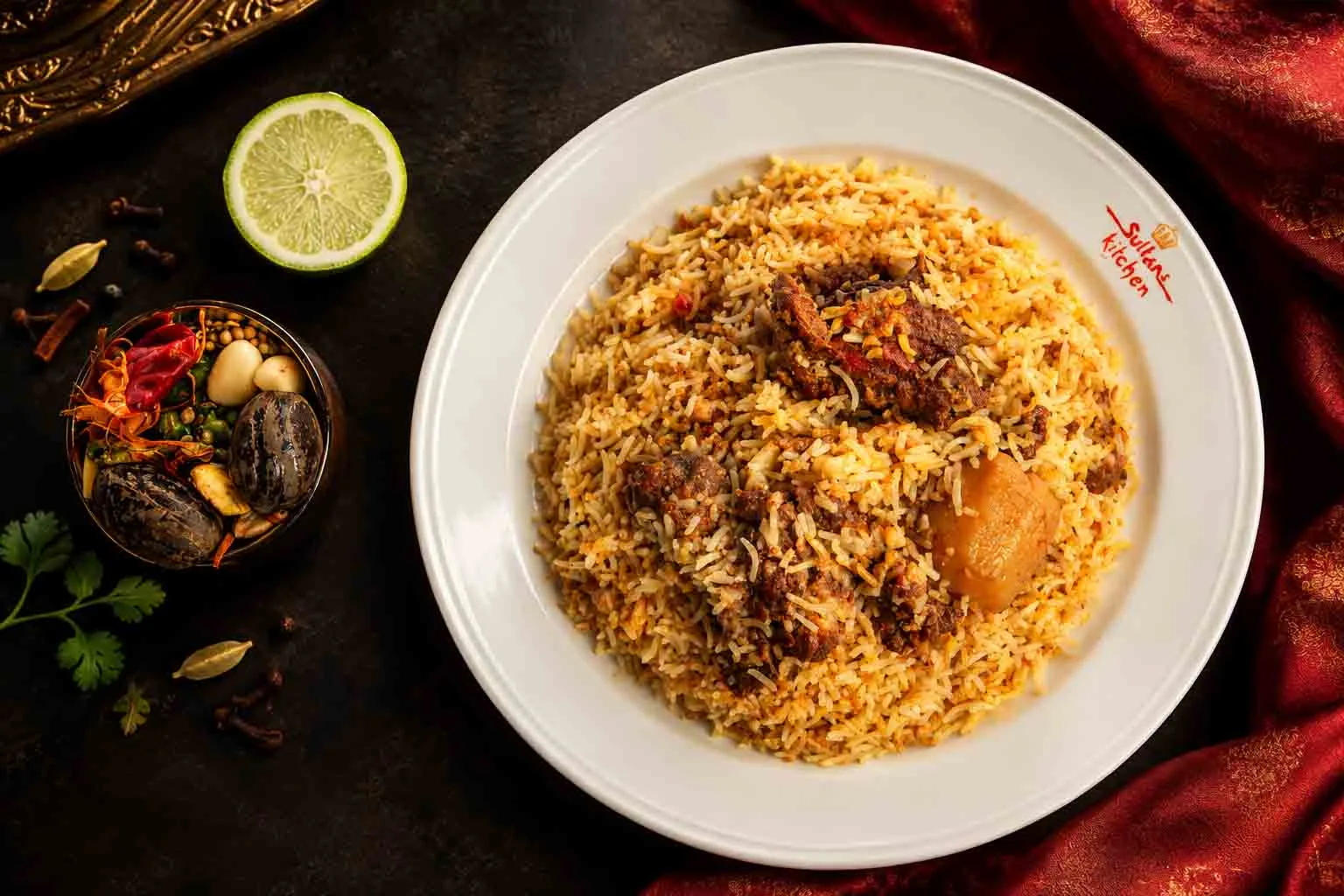
Dhaka’s kacchi biryani is cooked with raw, marinated meat layered under the rice, so the mutton steams in its own juices as the grains cook above it. When the pot opens, the aroma of saffron, ghee, and spice fills the room. Locals queue before noon, plates in hand, and the pots are empty by mid-afternoon.
What to know
What’s in it: mutton, aromatic rice, potatoes, ghee, saffron, and a mix of whole spices.
Where to try it: Old Dhaka, where biryani shops open at lunchtime and sell out fast.
Pair it with: borhani, a salty, minty yogurt drink that cuts through the richness.
Why try it: it is the dish Dhaka argues about. On our Old Dhaka walking tour, Roam Bengal brings guests to a trusted kitchen for lunch.
🍽️ 3. Classic Bangladeshi Meal: Rice, Dal, Bhaji and Bhorta
An everyday Bangladeshi lunch isn't one dish, but a plate built in layers. A mound of steaming rice sits in the center, with a ladle of thin, golden dal, a pile of crisp fried vegetables, a spoonful of bhorta, and a piece of fish or chicken curry on the side. You mix as you go, one bite at a time, and no two mouthfuls taste the same. On many menus you will see the spellings “vorta” and “vaji” instead.
What to know
What’s in it: rice, dal, bhaji (fried or stir-fried vegetables), one or two bhortas, and a fish or meat curry.
Where to try it: home-style restaurants and lunchtime canteens in every city, usually for a modest price.
Pair it with: a squeeze of lime, a green chili, and a glass of water.
Why try it: it is the meal Bangladeshis eat most days, and the best way to see how the cuisine fits together. Fish and rice are at its heart.
🥔 4. Bhortas: The Mashed Side Dishes
A bharta is anything mashed with mustard oil, raw onion, green chili, and salt. Eggplant, potato, dried fish, lentils, and tomato all get the treatment, and a good one tastes bright, smoky, and sharp at once. Each cook’s version varies slightly, and the chili level is a family secret.
What to know
What’s in it: one main ingredient, mustard oil, onion, green chili, and coriander.
Where to try it: almost every home-style restaurant, as a side dish on the classic plate above.
Pair it with: hot rice and dal.
Why try it: bhortas are the best vegetarian option in Bangladeshi cooking. Shutki bharta, made with dried fish, has a smell you will either love or avoid.
🥣 5. Bhuna Khichuri: Rain-Day Comfort
When the monsoon turns the streets to rivers, Bangladeshis make khichuri, a thick porridge of rice and lentils cooked with ghee and spices. Bhuna khichuri is the richer, drier version, stir-fried until each grain is coated. The sound of rain on a tin roof and a pot bubbling on the stove is the whole mood.
What to know
· What’s in it: rice, lentils, ghee, ginger, onion, and whole spices.
· Where to try it: home-style restaurants and neighborhood stalls on rainy days.
· Pair it with: beef bhuna, fried hilsa, an omelet, or crisp fried eggplant.
Why try it: it is the food of a gray afternoon, warm and slow, and eaten with the people you love.
🥩 6. Chattogram Mezbani Beef
Chattogram, in the southeast, is famous for mezban, a feast tradition where beef is cooked in huge pots with hot spices until it falls apart. The curry is dark, oily, and very spicy, the kind that makes your forehead bead and your plate go clean. The feast is communal, with guests seated in long rows and plates refilled without asking.
What to know
What’s in it: beef, chilies, ginger, garlic, onion, and a blend of ground spices.
Where to try it: Chattogram, at mezban-style restaurants.
·Pair it with: plain rice or soft flatbread, and a cold drink.
Why try it: It is the country's deepest, boldest curry. Ask for “kom jhal” if you want it less spicy.
🍲 7. Halim: The Slow-Cooked Stew
Halim is a thick, savory stew of wheat, lentils, and shredded beef or mutton, simmered for hours until the grains and meat melt together. It arrives in a bowl crowned with fried onions, ginger slivers, chopped coriander, and a wedge of lime. A Ramadan favorite, it's eaten at sunset to break the fast, and many shops also serve it in the cooler months.
What to know
What’s in it: wheat, lentils, meat, ginger, garlic, spices, and fried onion.
Where to try it: Old Dhaka, especially at street stalls and iftar markets during Ramadan.
Pair it with: a squeeze of lime, fresh ginger, and a piece of soft bread.
Why try it: It is rich, comforting, and unlike most other dishes on this list. A small bowl is enough, because it is very filling.
🍢 8. Seekh Kabab: Charcoal and Spice
Seekh kabab is minced beef, mutton, or chicken mixed with onion, ginger, chili, and spices, then pressed onto metal skewers. Cooks turn them over glowing charcoal until the outside browns and the inside stays juicy. Smoke curls into the street, and the smell pulls people to the stall like a magnet.
What to know
What’s in it: minced meat, onion, green chili, ginger, garlic, and ground spices.
Where to try it: grill shops and iftar stalls in Old Dhaka, and in kabab restaurants across the city.
Pair it with: paratha or naan, sliced onion, and a green chutney.
Why try it: it is street food at its simplest and smokiest. Choose a stall that cooks the meat fresh in front of you.
🫓 9. Paratha: The Flaky Flatbread
Paratha is a layered flatbread cooked on a hot griddle with oil or ghee until the outside is golden and the layers flake apart. The cook slaps and folds the dough on the counter in a rhythm you hear before you see it. It is a breakfast staple, and a plate of hot paratha with an omelet or a bowl of dal is the best start to a day of walking.
What to know
What’s in it: flour, water, salt, and oil or ghee.
Where to try it: morning tea shops and breakfast stalls, from Dhaka to the smallest towns.
Pair it with an omelet, dal, bhaji, or beef curry, plus a glass of milk tea.
Why try it: It is the easiest food on this list to love, and most visitors eat it on their first morning. Eat it hot, straight from the griddle.
🌶️ 10. Fuchka and Chotpoti: The Street Snacks
Fuchka are crisp, hollow shells filled with spiced potato and chickpeas and dunked in tamarind water. Chotpoti is a warm, tangy mix of chickpeas, potato, egg, and chili. Street cooks make both to order, and the crunch is the point. Vendors work quickly, tossing shells, spooning filling, and handing each plate over before the last is eaten.
What to know
What’s in it: crisp shells or chickpea mix, potato, tamarind, chili, and sometimes egg.
Where to try it: street stalls near parks, universities, and markets in every city.
Pair it with: a cold drink and a free afternoon.
Why try it: it is the snack Dhaka eats together. Eat from a busy, clean stall, and have a guide check the water and ingredients first.
🍰 11. Pitha: The Winter Cakes
Pitha are rice-flour cakes, and winter is their season. Women steam them in clay pots, fry them in oil, and fill them with date-palm jaggery, coconut, or sweet milk. Smoke from the cooking fire hangs in the cold morning air. Neighbors gather to make them, and the kitchen turns into a small festival.
What to know
What’s in it: rice flour, jaggery, coconut, milk, and sometimes sesame.
Where to try it: village homes and winter fairs, especially in the cooler months.
Pair it with: hot tea or fresh date-palm juice.
Why try it: it tastes like the Bangladeshi countryside. Many pitha are made at home rather than sold, so a guide helps.
🍋 12. Sylheti Shatkora Beef
Sylhet has its own larder, and the star is the shatkora, a thick-skinned citrus fruit with a sour, bitter edge. Cooks stew it with beef until the meat softens and the sauce turns tangy and fragrant. The fruit looks like a wrinkled green lemon, and its aroma hits as soon as you cut it.
What to know
What’s in it: beef, shatkora peel, onion, garlic, and green chilies.
Where to try it: Sylhet city, local restaurants, and tea-garden guesthouses.
Pair it with: rice and a squeeze of lime.
Why try it: you can't find anything quite like it anywhere else. It is a reason to visit Sylhet.
🦐 13. Chingri Malaikari: Prawn in Coconut Milk
In the southwest, near Khulna and Bagerhat, giant freshwater prawns simmer in coconut milk with ginger, chili and a touch of sugar. The sauce is creamy, mild and golden, and the prawns taste of the river. In Khulna’s markets, prawns lie on ice, their long blue claws curled.
What to know
What’s in it: large freshwater prawns, coconut milk, ginger, chili, and ghee.
Where to try it: restaurants in Khulna and Dhaka.
Pair it with: plain rice or polao.
Why try it: it is gentler than most Bangladeshi curries, and a good choice if you prefer mild flavors.
🍮 14. Mishti Doi and Rasmalai
Bangladeshis love sweets, and two are famous. Mishti doi is a thick, caramel-colored sweet yogurt set in a clay pot, which makes it dense and cool. Rasmalai, a Cumilla specialty, is soft cheese patties soaked in saffron milk. Sweet shops stack their trays high, and the smell of milk and sugar drifts into the street.
What to know
What’s in it: milk, sugar, cardamom, and sometimes saffron or nuts.
Where to try it: Bogura for doi, Cumilla for rasmalai, or any good sweet shop in any city.
Pair it with: a cup of strong milk tea.
Why try it: it is how almost every meal ends, and a spoonful makes the day feel finished.
🥛 15. Sweet Lassi (Lacchi): The Cold Finish
Menus often spell it “lacchi”, and it is the drink that rescues you from the afternoon heat. Blend thick yogurt with sugar and ice until smooth and cold, then top with crushed nuts or a spoonful of cream. After a plate of spicy meat, it cools the mouth in seconds.
What to know
What’s in it: yogurt, sugar, ice, and sometimes cream, nuts, or a pinch of cardamom.
Where to try it: dedicated lassi shops in Old Dhaka, plus many restaurants and sweet shops nationwide.
Pair it with: biryani, kabab, or any spicy curry.
Why try it: it is the perfect end to a hot, heavy meal. Ask for it fresh and cold, and drink it right away.
🧭 How to Eat Like a Local
Use your right hand: locals eat with it, and so can you. Wash your hands first, and never use your left hand.
Ask for less heat: say “kom jhal” for less spicy, or ask your guide to order.
Rice comes first: most meals center on rice, with several side dishes to mix in.
Vegetarian options are common: bhortas, dal, vegetable curries, and rice dishes. Pork is rare, and beef and chicken dominate the menus.
Share dishes: meals are communal, so order several and pass them around the table.
Say yes to tea: an invitation for tea is a welcome gesture.
🥤 What to Drink
Milk tea comes sweet and strong in small glasses, and in Sylhet you can find the famous seven-layer version. Lassi is thick and cold. Fresh sugarcane juice is pressed in front of you, and green coconut water, known as daab, is sold on almost every corner. Ask your guide which stalls are safe, and skip ice in unfamiliar places.
📅 When to Eat What
Monsoon, June to September: hilsa at its best, and khichuri on rainy days.
Winter, November to February: pitha, date-palm juice and gentle weather for street food.
Ramadan and winter: halim and seekh kabab, at their best at sunset.
Year-round: biryani, paratha, bhortas, mishti doi, lassi and tea.
Timing a trip around a dish changes what you remember. Roam Bengal can plan your route around the foods you most want to try.
⚠️ Eating Safely
Street food and tap water can upset visitors’ stomachs, and we don’t gamble with that. Roam Bengal’s guides take you only to kitchens we have eaten in many times, where we know how they handle the water, how fresh the oil is, and who is cooking. Drink only bottled water, and eat at busy stalls where they cook food in front of you. If your stomach is sensitive, start with hot, freshly cooked dishes like biryani, khichuri, halim, and grilled kababs, and leave raw salads for later.
📩 Eat Your Way Through Bangladesh
Please tell us how many days you have, which dishes pull at you, and any dietary needs. We’ll plan a route and a table, and we’ll book the kitchens ahead so you never wait in a queue.
Book your private Bangladesh food tour with Roam Bengal today.