Old & New Dhaka City Tour
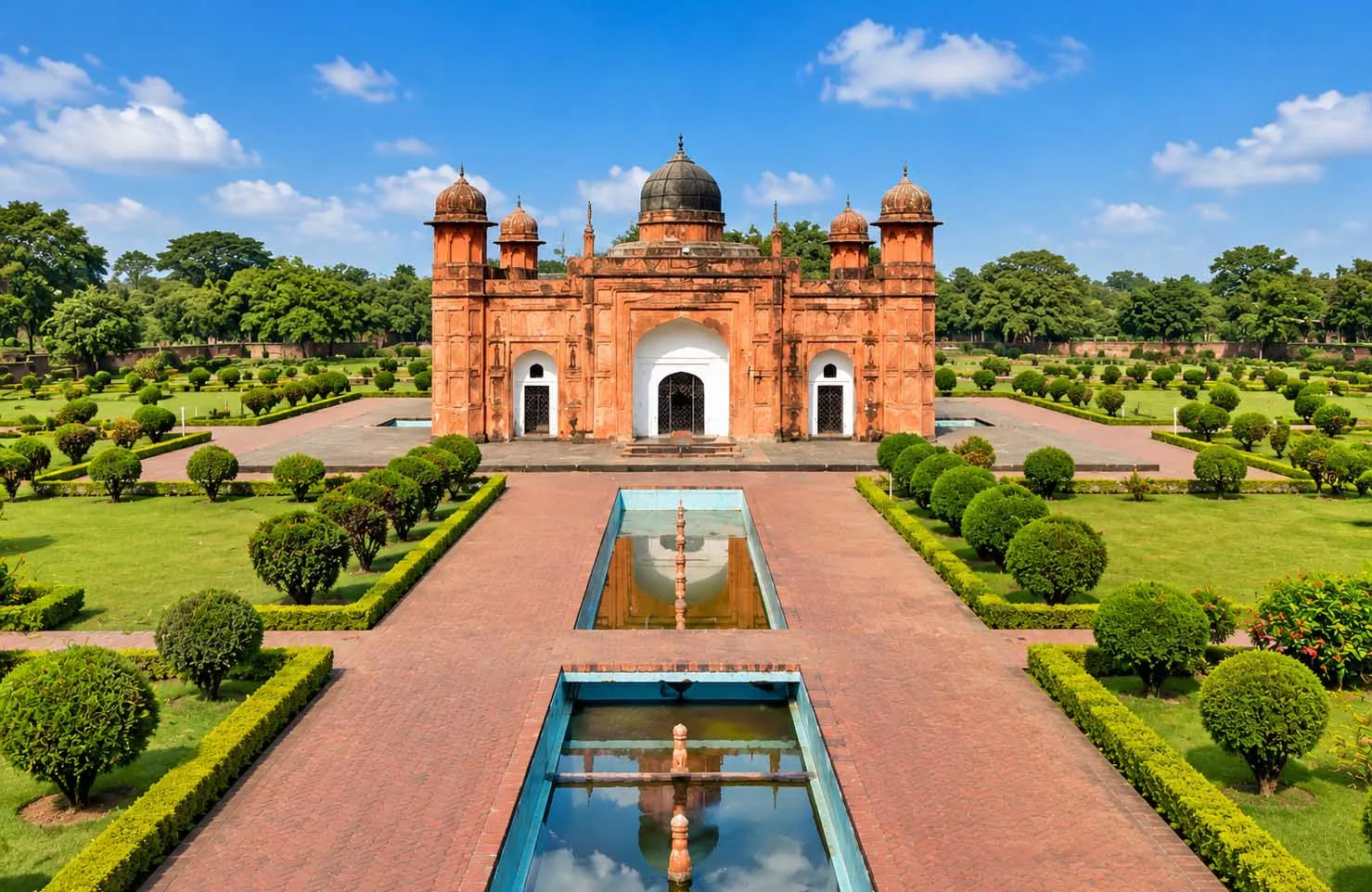
Step into a time machine! From Mughal forts in Old Dhaka to the modern pulse of New Dhaka, ride colorful rickshaws, cruise the Buriganga River, and savour authentic street food. Book your ultimate Dhaka day tour today!
🌄 10-Day Southeast Bangladesh, From Inland History to the Coast
The journey begins east of Dhaka in Cumilla, where the archaeological remains of Mainamati offer an introduction to Bengal’s Buddhist past. From there, the route continues towards Chittagong (Chattogram), a city shaped by maritime trade, the Karnaphuli River and one of Bangladesh’s busiest port regions.
After exploring Chittagong, the journey moves into the Chittagong Hill Tracts. In Rangamati, Buddhist heritage and a boat journey across Kaptai Lake introduce a landscape of hills, water and lakeside settlements. Bandarban brings a more active section of the trip, including mountain roads, indigenous communities, the Sangu River and trekking towards Boga Lake. Travellers looking for a harder challenge can continue towards Keokradong.
The route then descends from the hills to Cox’s Bazar, where there is time for the coast, local seafood and a full-day journey to Saint Martin’s Island.
Before flying back to Dhaka, the final morning visits the working side of Cox’s Bazar through a fish landing port and a traditional dry-fish area. Across ten days, the tour moves through archaeology, industry, mountain communities, rivers, trekking routes and coastal life—showing several very different sides of southeast Bangladesh within one connected itinerary.

Leave Dhaka by private vehicle and travel east towards Cumilla. The first historical stop is the Mainamati archaeological zone, an area closely linked with the Buddhist past of this part of Bengal.
At Shalban Vihara, walk around the excavated remains and see how the surviving brick layout reveals the scale and organisation of the former religious complex. Continue to Kutila Mura and other scheduled archaeological sites before transferring to your hotel.
Beginning the tour in Cumilla places the later journey through the port, hills and coast within a much longer history of settlement in southeast Bangladesh.
After breakfast, travel south towards Chittagong. On arrival, continue towards the coastline associated with Bangladesh’s ship-recycling industry. From a designated viewing point outside the active work areas, you can see the enormous scale of vessels brought to this stretch of coast for dismantling.
The stop offers a look at a side of Chittagong shaped by heavy industry and international shipping. The program does not include unauthorized entry into operational ship-breaking yards. Later, return to the city and spend the evening in Chittagong.
Today focuses on Chittagong’s long relationship with the sea and river.
After visiting selected parts of the city, continue to an area where wooden fishing trawlers are constructed and maintained using skills passed through local boat-building communities.
Later, take to the Karnaphuli River by local boat. Seen from the water, Chittagong becomes a working transport landscape: small fishing craft move alongside larger commercial vessels, while terminals, river crossings and settlements occupy both sides of the channel.
Return to your hotel after the river experience.
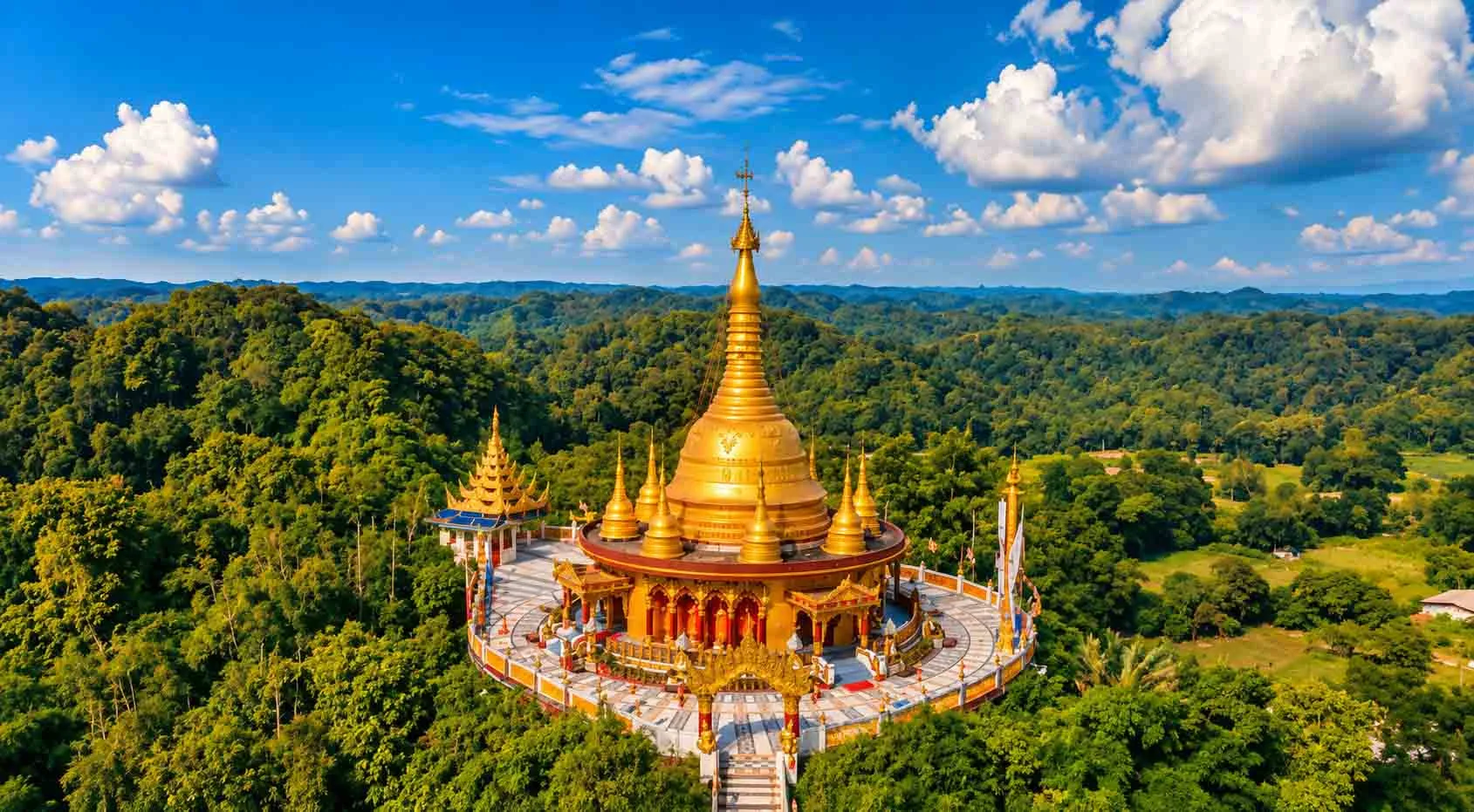
Leave Chittagong for Rangamati, entering the Chittagong Hill Tracts as the terrain gradually becomes more mountainous. Visit Rajban Vihara and the other scheduled sites before continuing to Kaptai Lake.
Board a local boat and travel across the broad reservoir. The journey reveals a landscape where roads do not provide every connection—boats remain an important way of reaching settlements scattered between the hills. Spend time on the lake before returning to Rangamati.
Depart Rangamati and continue towards Bandarban. Much of the day is spent travelling through the Hill Tracts, where the road repeatedly climbs and descends through sparsely built mountain country. Short stops along the way provide time to take in the changing terrain and settlements before reaching Bandarban.
After check-in, visit the local market area and, if conditions are suitable, head to a nearby viewpoint later in the afternoon.
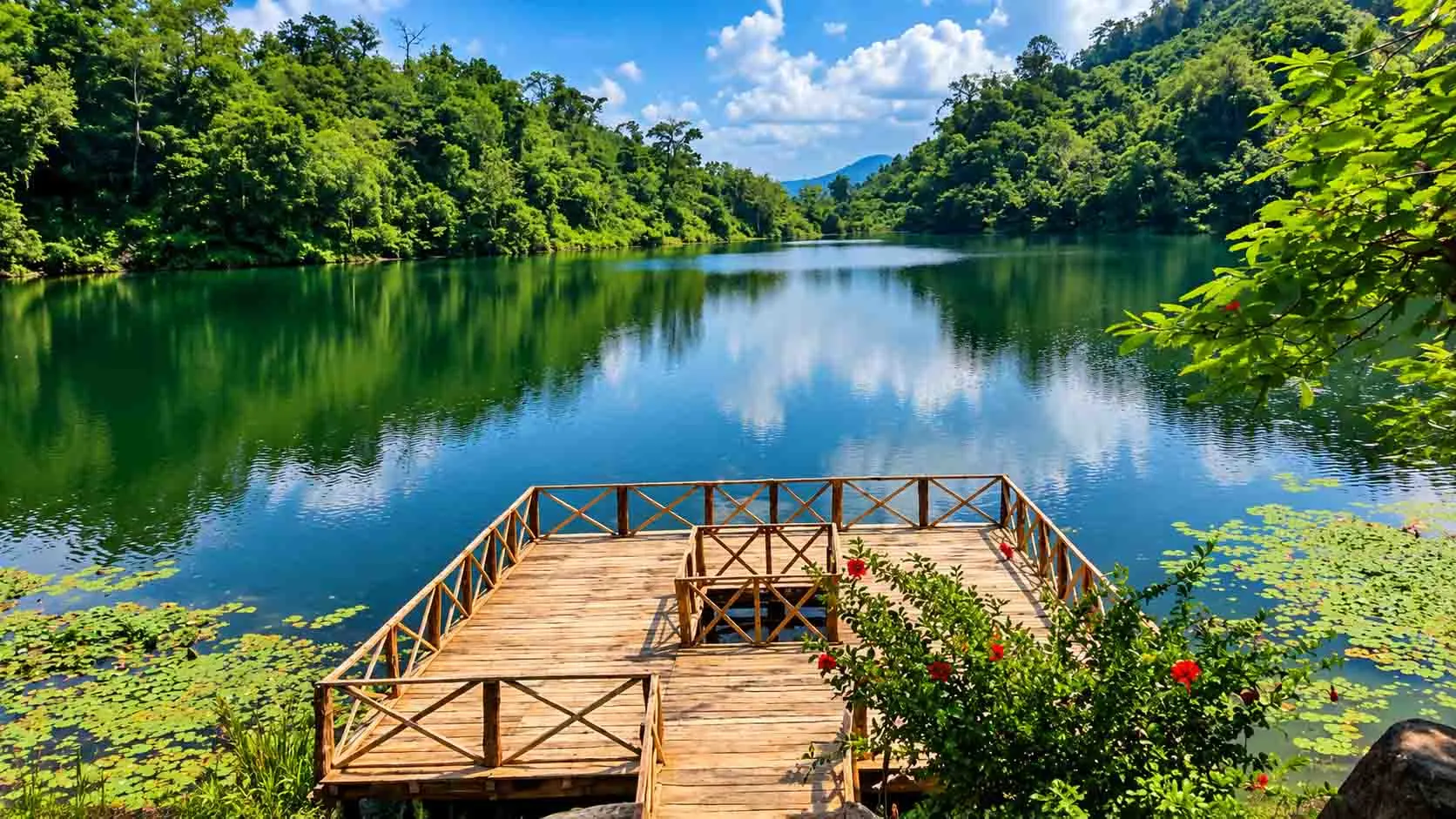
This is the most active day of the programme. Travel by local mountain vehicle towards the start of the trekking route, then continue on foot through the Bandarban hills. The main objective is Boga Lake. Reaching it involves a combination of climbs, descents and village paths rather than a simple roadside visit. After arrival, take a proper break and spend time around the lake and surrounding settlement.
Travellers who have the fitness and want additional trekking can continue towards Keokradong. The extension is optional; completing the Boga Lake section is enough to follow the core itinerary. Return after the trekking programme.
Spend the day looking more closely at life in the Hill Tracts. Depending on access and the confirmed programme, visit settlements associated with communities such as the Marma, Mro and Tripura. Your guide provides context around local housing, clothing, crafts and everyday routines while helping ensure that the visit respects community privacy. A traditional cultural performance may also be included when arranged.
Later, travel on the Sangu River by local boat. The river offers a slower view of the region, with cultivated land, small landing points and hill settlements appearing along the route. Return to Bandarban for the night.
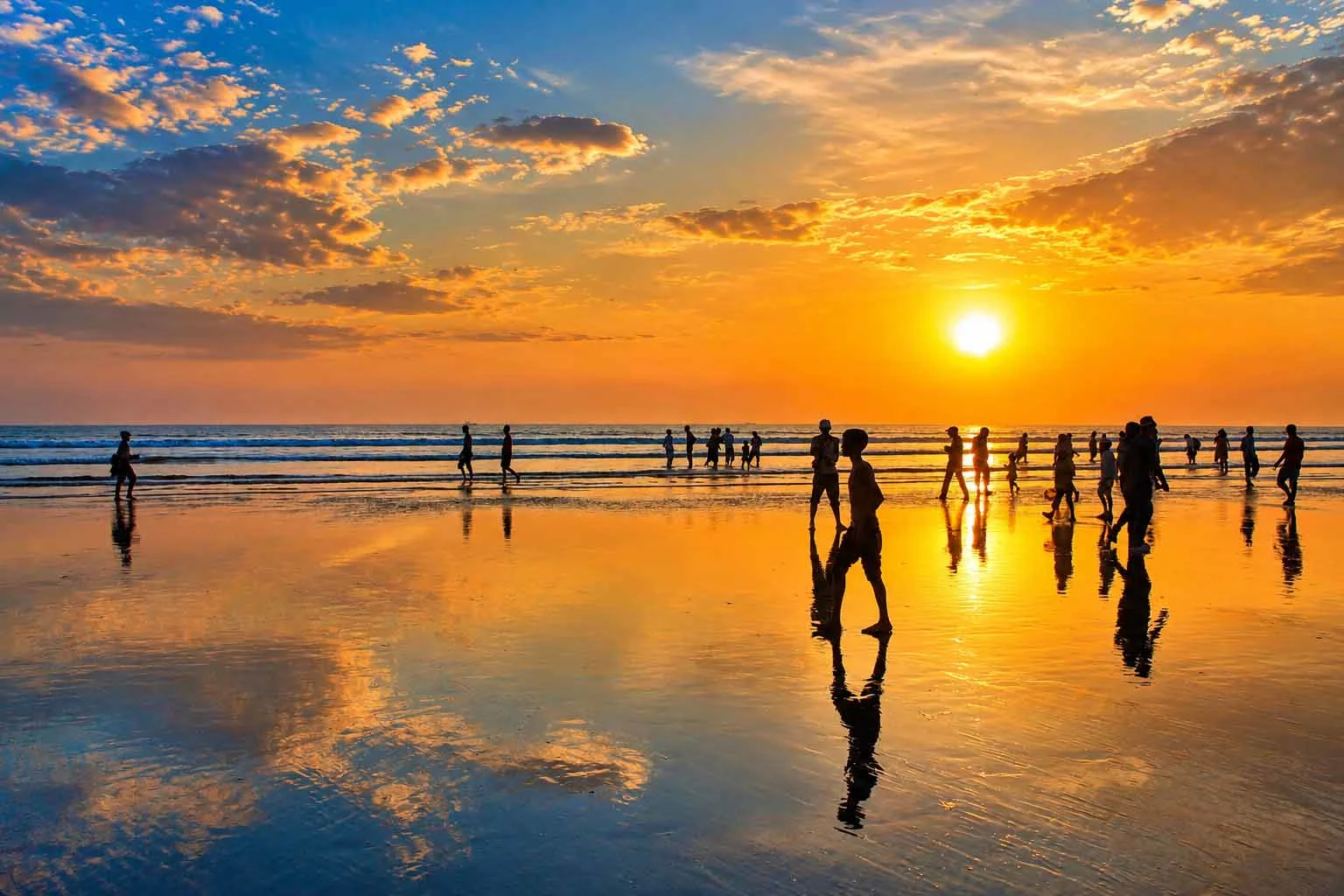
Enjoy breakfast in Bandarban before setting off towards the coast. As you leave the Chittagong Hill Tracts behind, the winding mountain roads gradually transform into smooth, flat coastal plains. Arriving at Cox’s Bazar, check into your accommodation and take the remainder of the day to unwind. Use this free time to relax, take a peaceful stroll along the world's longest natural beach, or simply enjoy the cooling ocean air.
In the evening, treat yourself to a local seafood tasting experience, featuring freshly caught fish and traditional coastal flavors. It’s a delightful way to transition from the serene hill life to the vibrant marine atmosphere ahead of tomorrow’s sea excursion.
Leave early for the journey to Saint Martin’s Island. After crossing by scheduled vessel, spend the day moving around the island at an unhurried pace.
Explore stretches of shoreline, walk through inhabited parts of the island and observe the boats and fishing activity that remain part of local life. There is also time to enjoy the coast and have fresh seafood before returning to the mainland later in the day.
The trip depends on seasonal vessel operation, sea conditions and government regulations.
Before leaving Cox’s Bazar, spend the morning seeing part of the local fishing economy. At the fish landing area, watch the movement that follows a boat’s return to shore as catches are unloaded, sorted and prepared for onward sale. Continue to a dry-fish production area, where coastal preservation methods support another important local trade.
After the visits, transfer to Cox’s Bazar Airport for the scheduled flight to Dhaka. The tour finishes after arrival and the arranged drop-off.
⛰️ Fitness Level – This tour has a High activity rating. The main physical challenge is the Bandarban section, especially the Boga Lake trek and optional Keokradong extension.
You should be comfortable walking on hills, uneven tracks, and natural terrain.
🥾 Keokradong Is Optional – The Keokradong extension is not compulsory.
Travelers who prefer a shorter day of trekking can spend more time around Boga Lake and nearby villages.
🛂 Chittagong Hill Tracts Permit – Foreign travelers require advance permission for parts of the Hill Tracts. Please provide the required passport, visa, photograph and entry information at least two weeks before arrival so the necessary arrangements can be processed.
🚙 Mountain Roads – Road travel around Rangamati and Bandarban can be slower than travel on major highways. Some sections may require smaller local vehicles suited to mountain roads.
🚤 Boat Travel – The itinerary includes several boat journeys.
Always follow instructions from your guide and boat crew while boarding, traveling and leaving the vessel.
🏝️ Saint Martin’s Island – Access depends on seasonal vessel schedules, sea conditions and government regulations. If operations are suspended, the program may need to be adjusted.
👕 Clothing – Wear comfortable, lightweight clothing for most of the journey. Modest dress is recommended at monasteries, mosques, temples and local communities. For trekking days, wear footwear with reliable grip.
📷 Photography – Photography is possible in many places, but extra care is required around industrial facilities, religious sites and local communities. Always ask before taking close photographs of residents.
🗺️ Southeast Bangladesh in One Continuous Route – Instead of returning to Dhaka between regions, the itinerary progresses naturally from Cumilla through Chittagong and the Hill Tracts before reaching the coast.
🥾 A Mountain Section With Options – Boga Lake forms the core trek, while the Keokradong extension remains optional. You do not have to turn the entire journey into a difficult trekking tour.
🛂 Permit Arrangements Built Into the Planning – The Hill Tracts require additional preparation for foreign travellers. Roam Bengal coordinates the required documentation process before the trip.
🏘️ Community Visits Without Treating People as Attractions – Visits are guided with attention to privacy, photography etiquette and local customs.
🚤 Different Landscapes, Different Transport – The programme uses private vehicles, mountain transport, riverboats, lake boats and sea vessels according to the terrain rather than forcing the entire trip into one transport style.
👤 Private Tour Format – Travel with your own group and adjust the pace around trekking ability, road conditions, photography and rest stops.
Step into a time machine! From Mughal forts in Old Dhaka to the modern pulse of New Dhaka, ride colorful rickshaws, cruise the Buriganga River, and savour authentic street food. Book your ultimate Dhaka day tour today!
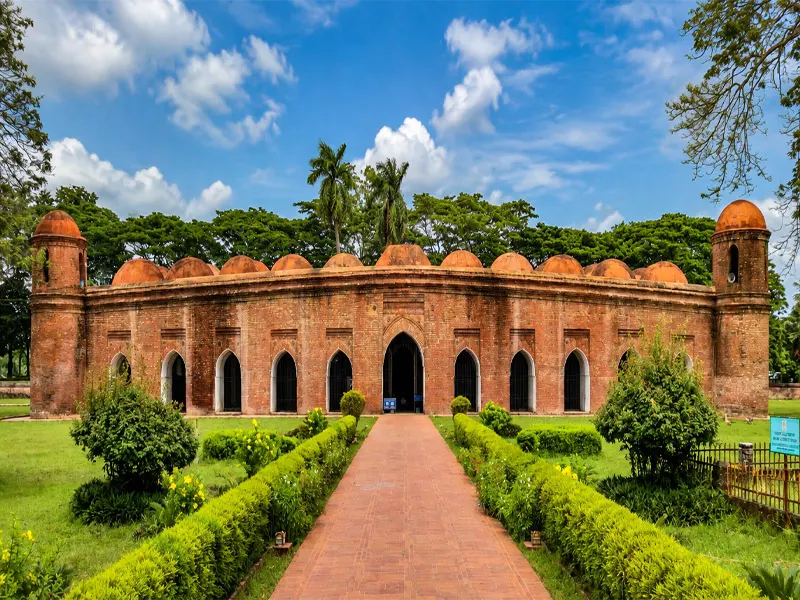
From the Sultanate-era stones of Bagerhat to the tangled waterways of the Sundarbans, this is southern Bangladesh at its most untouched—where forests, folklore, and forgotten history still live side by side.