Exploring Chittagong Tour
Uncover Bangladesh’s coastal gem! Explore majestic green hills, historic ship-breaking yards, serene beaches, and vibrant port culture with expert guides. Reserve your private port city escape!
A Private 7-Day Route Through Rangamati, Bandarban and the Southern Hills
While most travellers to Bangladesh linger near Dhaka, the Sundarbans, or Cox's Bazar, the far southeastern hill districts—Rangamati, Bandarban, and Khagrachhari—offer a world apart, rich in both landscape and culture. This private 7-day journey begins in the bustling port city of Chattogram, winds through these remote hills, and finishes with the sea breeze at Cox's Bazar.
The adventure begins at sea level, with glimpses of the ship-breaking coast, a stately colonial court building, a poignant war cemetery, and a boat ride along the Karnaphuli River. Soon, the landscape transforms: Kaptai Lake shimmers around Rangamati, forested roads ascend toward Bandarban, and by Day 5, the journey turns into a trek—on foot to the serene Boga Lake and, for the intrepid, onward to the ridge at Keokradong.
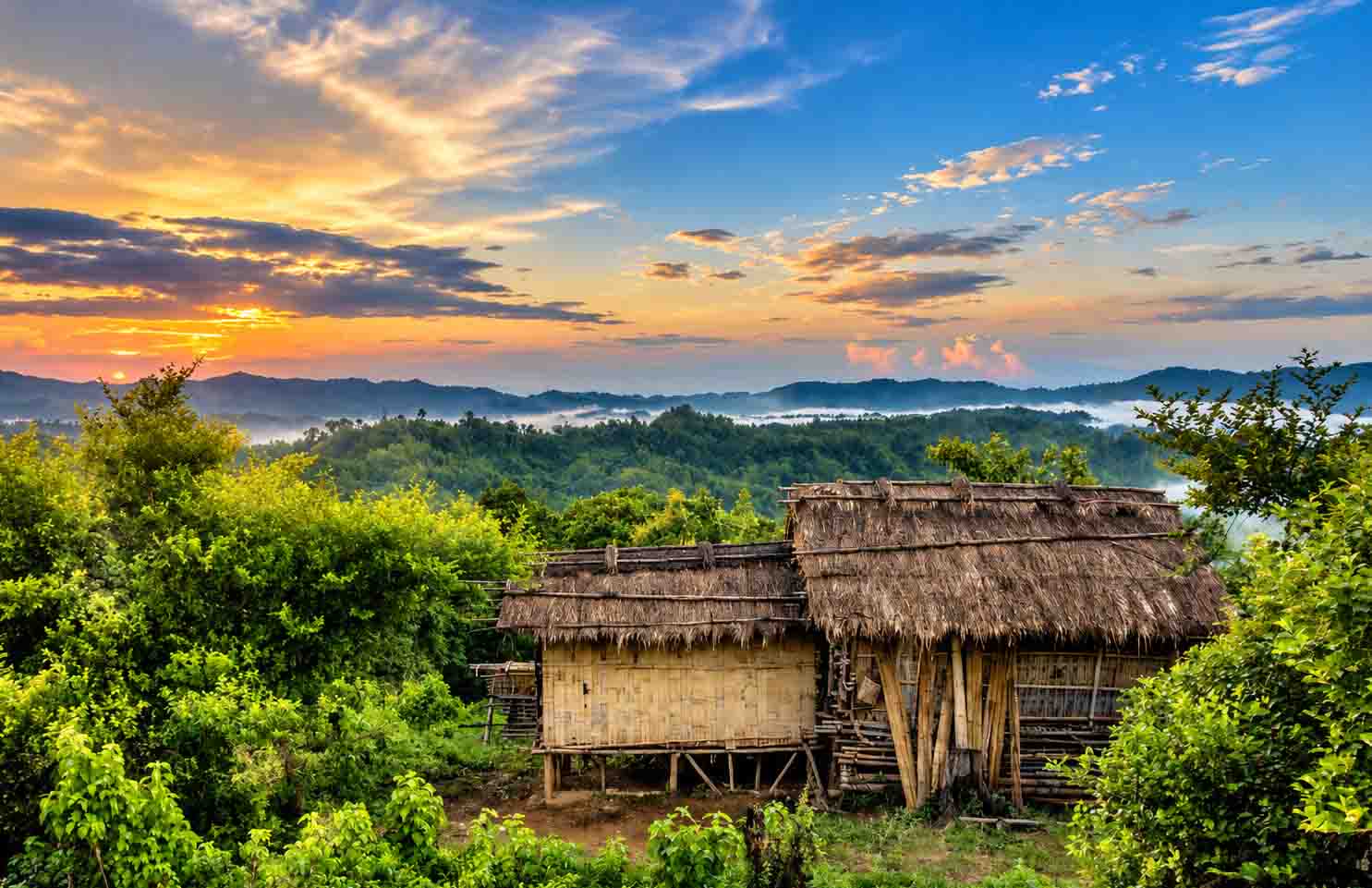
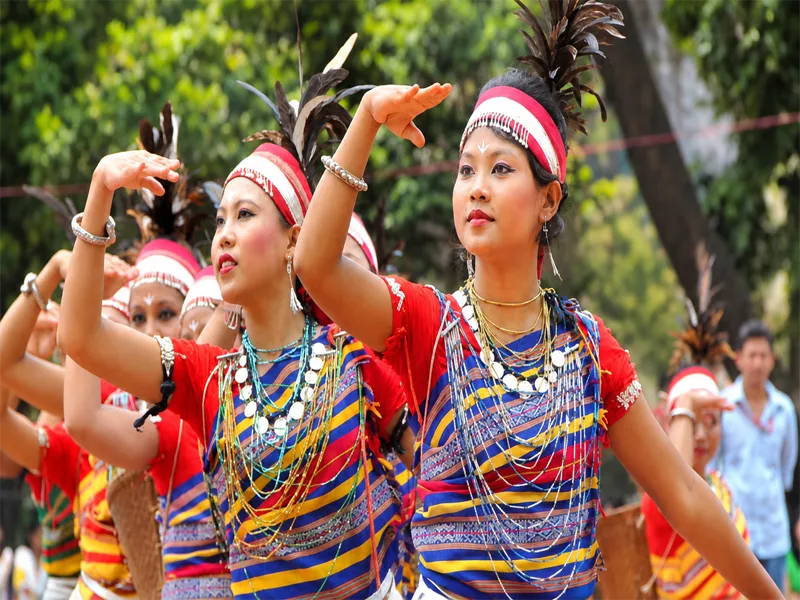
These hills shelter a tapestry of indigenous communities—Chakma, Marma, Tanchangya, Mro, Bawm, Khumi, and Tripura—each with its own language, traditions, and architecture. Along this route, their villages are woven naturally into the journey, not as staged attractions but as living, breathing communities. The adventure concludes with a tranquil boat ride down the Sangu River before the final drive to Cox's Bazar.
This journey is for those who crave movement and discovery—more walking and riding than passive sightseeing. Forest trails, winding hill roads, boat crossings, and a few long travel days are the price of entry to a Bangladesh that few outsiders ever see.
A morning pickup in Dhaka leads to the railway station for a daytime train south. The ride runs through open rice country and river crossings for most of its length — a slower, more visible way to see rural Bangladesh than the highway. After checking into a Chattogram hotel, spend the afternoon walking through the city's old colonial quarter, then take a sampan ride on the Karnaphuli River as port traffic and fishing boats pass at dusk.
The Chittagong Court Building, a red-brick colonial structure on a hilltop over the Karnaphuli, is the first stop. From there, the Commonwealth War Cemetery is the resting place for several hundred Allied soldiers from the Second World War, set within maintained lawns and gardens. The Ethnological Museum nearby covers the material culture of Bangladesh's indigenous groups — a useful primer before the hill districts.
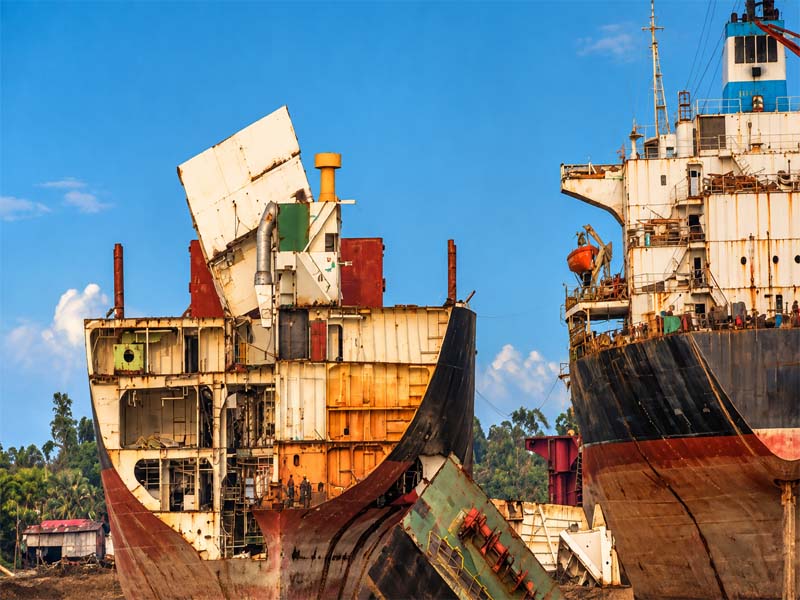
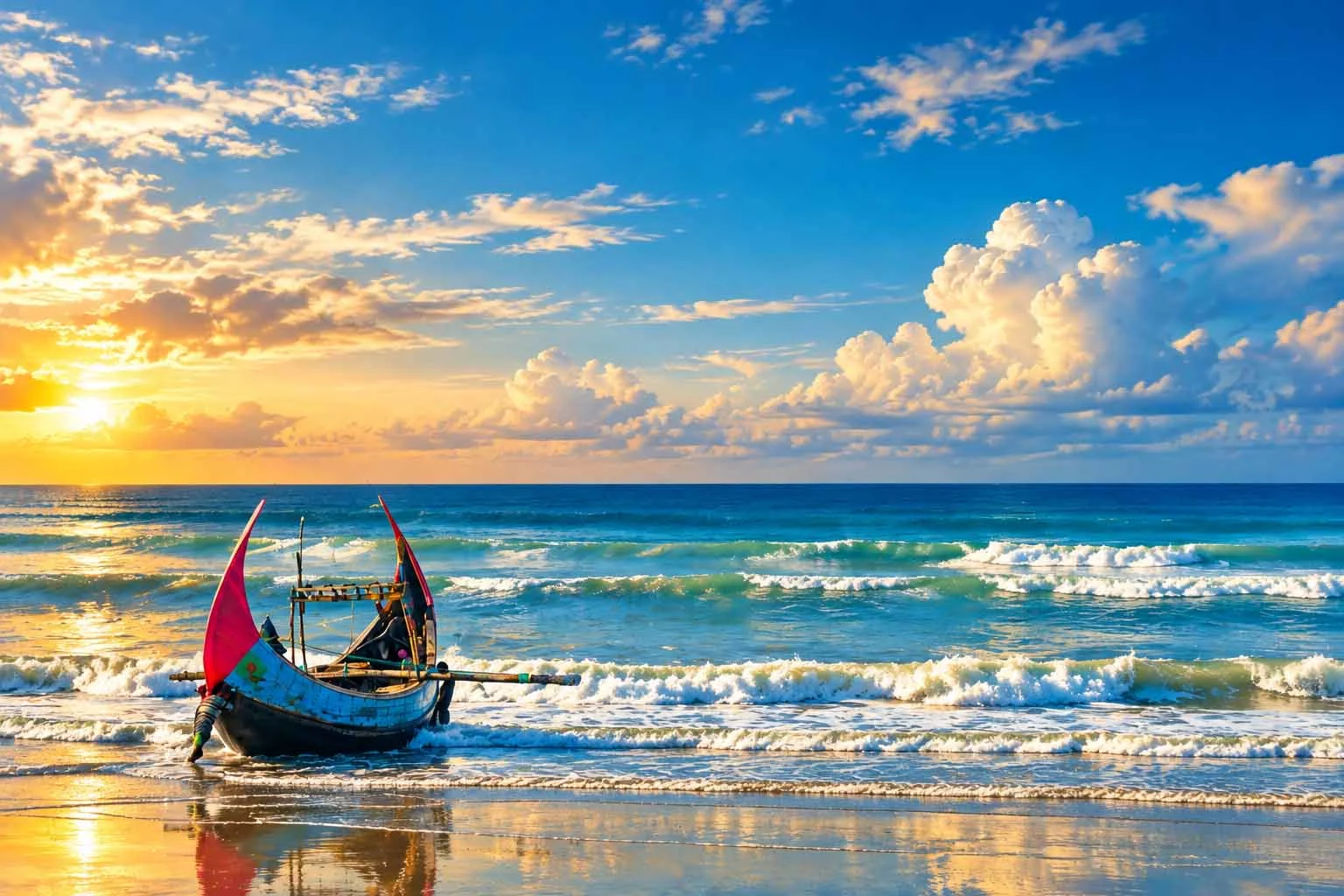
By boat, the ship-breaking coast is one of the world's largest such sites: ocean-going vessels are broken down piece by piece on the open beach, visible from an offshore vantage point (entry to the yards themselves is not permitted). The day ends at Patenga Beach, where the Karnaphuli meets the Bay of Bengal.
The road out of Chattogram climbs steadily into hill terrain — bamboo groves, betel-nut plantations and Chakma villages replace the coastal flatland. Rangamati sits on the edge of Kaptai Lake, Bangladesh's largest reservoir, formed when the Karnaphuli was dammed in the 1960s. A boat trip on the lake takes in the Rajban Vihara monastery and a suspension footbridge that has become one of the town's landmarks, with island monasteries and handicraft stalls run by local women along the way.
The drive from Rangamati to Bandarban is one of the route's more scenic stretches, climbing through forested valleys with occasional roadside waterfalls. In Bandarban town, the Golden Temple (Buddha Dhatu Jadi) is Bangladesh's largest Theravada Buddhist temple complex, set on a hill with gilded stupas. Nilachal, a viewpoint above the town, gives a wide view over the surrounding hill ranges — clearest in the cooler months, when low cloud sometimes settles below the ridgeline rather than over it.
This is the most physical day of the trip. After district and checkpoint formalities at Ruma or Komola Bazar, the trek runs through Bawm villages built on stilts along the ridgelines and takes roughly 3–4 hours at a steady pace. Boga Lake itself is a natural, crater-shaped body of water held up in the hills, with no visible outlet — a point of local legend as much as geography.
From the lake, travellers who want to continue can trek a further 2–3 hours to Keokradong, at roughly 986 metres, one of the highest points in the country (surveyors still dispute exactly which peak in the region ranks highest). Travellers who prefer not to make the extra climb can rest at Boga Lake instead; either way, the group descends to Bandarban by evening.
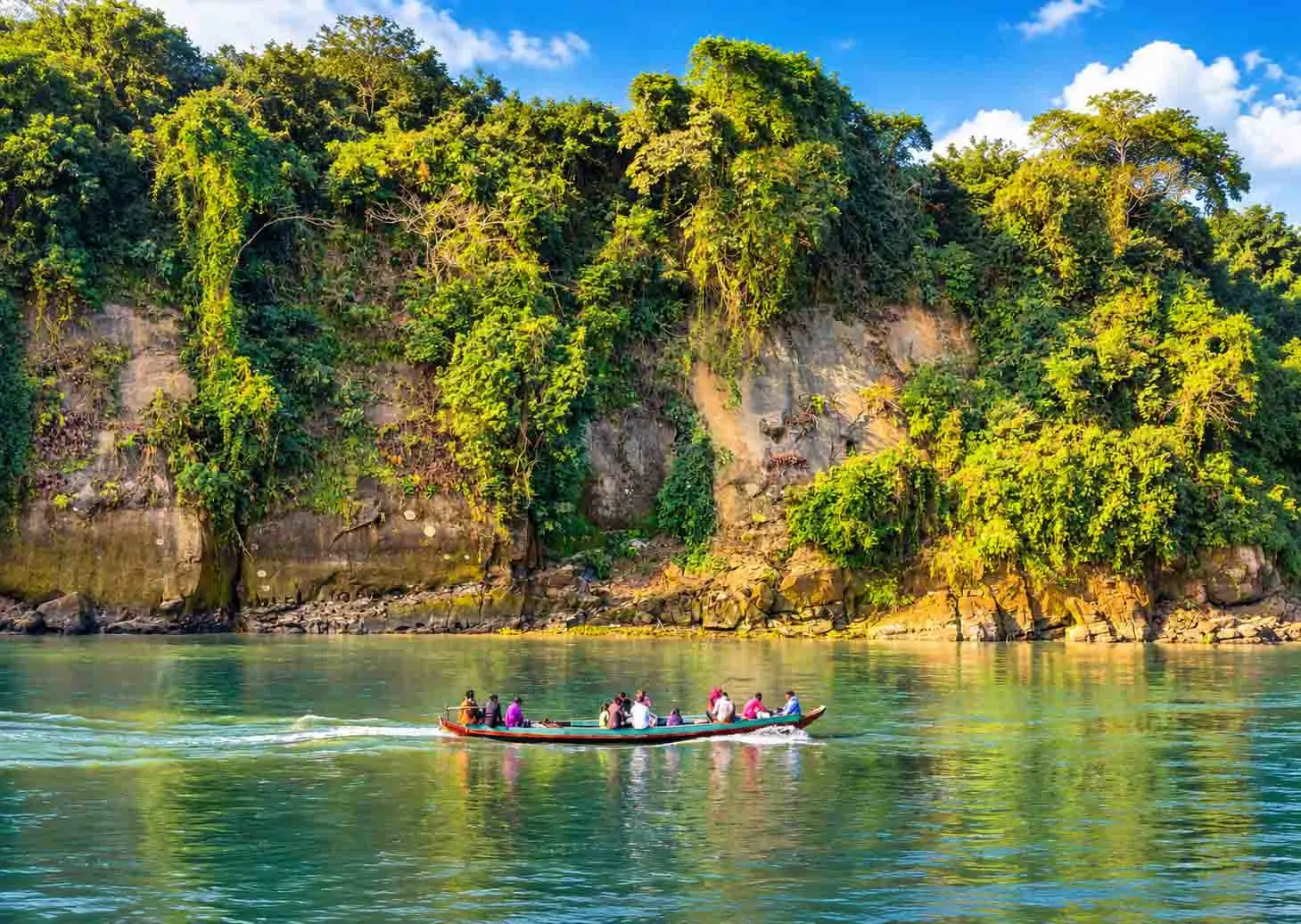
A gentler day follows yesterday's trek. The route passes through Marma, Mro and Tripura village areas, where stilt houses, handloom weaving and small-scale farming continue much as they have for generations. In the afternoon, a country boat covers a stretch of the Sangu River — the only river that both rises and ends within Bangladesh, and one with an unusually rocky bed for the region. Kingfishers and hornbills are common along the banks.
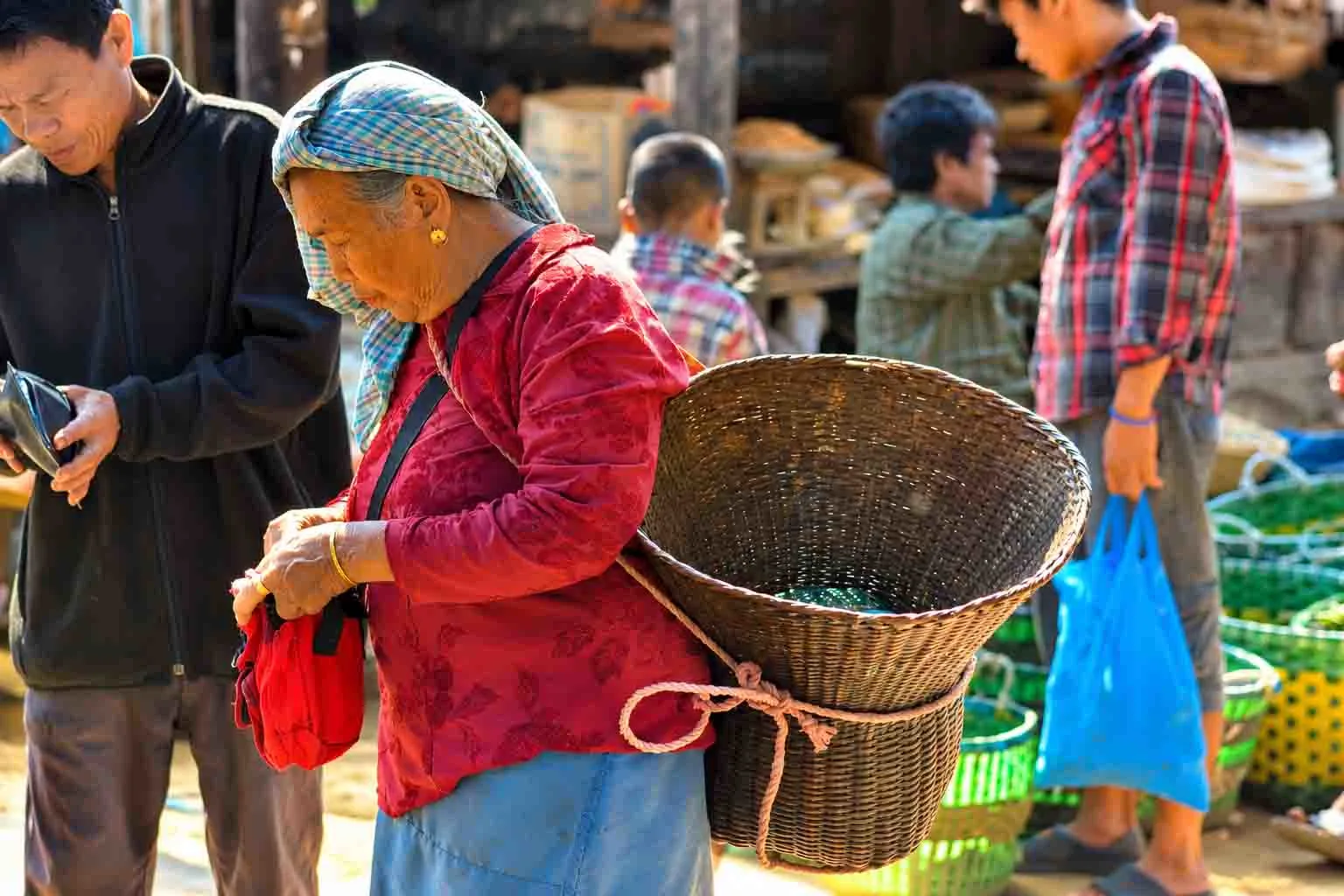
The morning starts at a Bandarban market where several hill communities sell produce, textiles and bamboo work side by side. From there, the drive to Cox's Bazar trades hill roads for coastal flatland. A seafood lunch and a walk along the beach — the world's longest unbroken stretch of natural sand — close out the trip before an evening flight back to Dhaka from Cox's Bazar airport.
📌 Essential Trip Information
Availability – this route runs year-round; October to February brings cooler days, clearer hill views and easier trekking conditions, while the March–May heat and June–September rains make the Day 5 trek harder going.
Rail schedule – The Dhaka–Chattogram train runs daily; delays of an hour or two aren't unusual, so the first day's schedule has some built-in slack.
Weekday planning – The Chattogram Court Building is a working court, so a weekday visit works better than a Friday or Saturday, when government offices are closed.
Site hours: – the Ethnological Museum and some monasteries keep their own opening days — your guide will confirm current hours before Day 2.
🛂 Permits & Hill District Access
District permits – foreign travellers need a travel permit for Rangamati and Bandarban districts, arranged through the local administration with your guide's paperwork — this is handled as part of the tour.
Checkpoints: – the route to Boga Lake passes army and border-guard checkpoints; carrying a passport copy at all times in the hill districts is standard practice.
Lead time: – booking at least 2–3 weeks ahead gives enough time to process permits without last-minute delays.
🥾 Trekking & Wildlife Notes
Trail conditions – the Boga Lake trail is dirt and stone, with steady but not technical climbs; trekking poles and broken-in shoes make a real difference.
Leeches: – common on forest trails after rain, especially outside the dry winter months — leech socks or long trousers tucked into boots, plus salt or tobacco to remove them, are worth carrying.
Insects – mosquitoes and biting flies are present at lower elevations; repellent is worth packing for the coastal and Kaptai Lake days as well as the trek.
🚶 Practical Travel Notes
Fitness level: – moderate to high — Day 5 involves 3–4 hours of trekking to Boga Lake, with a further 2–3 hours if continuing to Keokradong; other days involve shorter walks of 2–3 km.
Roads: – hill roads between Rangamati, Bandarban and Ruma are narrow and winding, with journey times longer than the map distance suggests.
Dress: – modest clothing is expected at temples and monasteries; sturdy closed shoes matter more than style on the trekking days.
Packing: – a headlamp, rain cover, insect repellent, sunscreen and a light jacket for cooler hill evenings are all worth having.
Cash: – carry small-denomination taka for village purchases and tips — ATMs are limited once you're past Chattogram and Rangamati town.
Photography: – drone use is restricted in the hill districts and requires advance clearance; you can photograph the ship-breaking coast only from the boat, not from the yards.
⚠️ Safety & Flexibility – Life jackets are mandatory on every boat ride, without exception. Permit approvals, checkpoint procedures and hill-road conditions can shift with little notice, and your guide will adjust the schedule as needed to keep the trip both safe and on track.
🗺️ A region most visitors skip – Rangamati and Bandarban see a fraction of the traffic that Cox's Bazar or the Sundarbans get, so villages, lake islands and forest trails stay uncrowded.
🥾 Built around the trek, not just to it – Boga Lake and the optional Keokradong summit sit in the middle of the route with enough days on either side to do them without rushing.
🏘️ Multiple communities, not one stop – the route touches Chakma, Marma, Tanchangya, Mro, Bawm and Tripura areas rather than a single showcase village.
📋 Permit handling included – district travel permits and checkpoint paperwork for the hill areas are arranged as part of the tour, not left for you to sort out.
🚗 A private vehicle and guide throughout – no set departure dates and no other travellers to coordinate with — the train, boat and trekking days move at your pace.
🏖️ A coastal finish – the route ends at Cox's Bazar rather than backtracking, so the hill trip closes with a beach afternoon instead of a long drive in reverse.
Uncover Bangladesh’s coastal gem! Explore majestic green hills, historic ship-breaking yards, serene beaches, and vibrant port culture with expert guides. Reserve your private port city escape!
Sail the world’s largest mangrove! Cruise deep into Kotka & Jamtola Beach, track Royal Bengal Tigers, spot wildlife, and discover the UNESCO Sixty Dome Mosque in Bagerhat. Book your authentic wilderness safari!
Uncover Northern Bengal’s regal past! Explore UNESCO-listed Paharpur, ancient Mahasthangarh, Kantajew terracotta, Puthia's royal temples, and Rajshahi's silk heritage with local guides. Book your ultimate northern heritage escape!