Exploring Chittagong Tour
Uncover Bangladesh’s coastal gem! Explore majestic green hills, historic ship-breaking yards, serene beaches, and vibrant port culture with expert guides. Reserve your private port city escape!
Four Days Where Nature and the Loudest Sound Is a Gibbon Call
Most of Bangladesh moves fast. Srimangal doesn't get the memo. Tea bushes run in tidy green waves as far as the horizon goes, mist sits low over the rainforest most mornings, and the biggest event of the day might be a hoolock gibbon calling somewhere in the canopy. This is the country's tea capital, and the plants, not the clock, set the pace here.
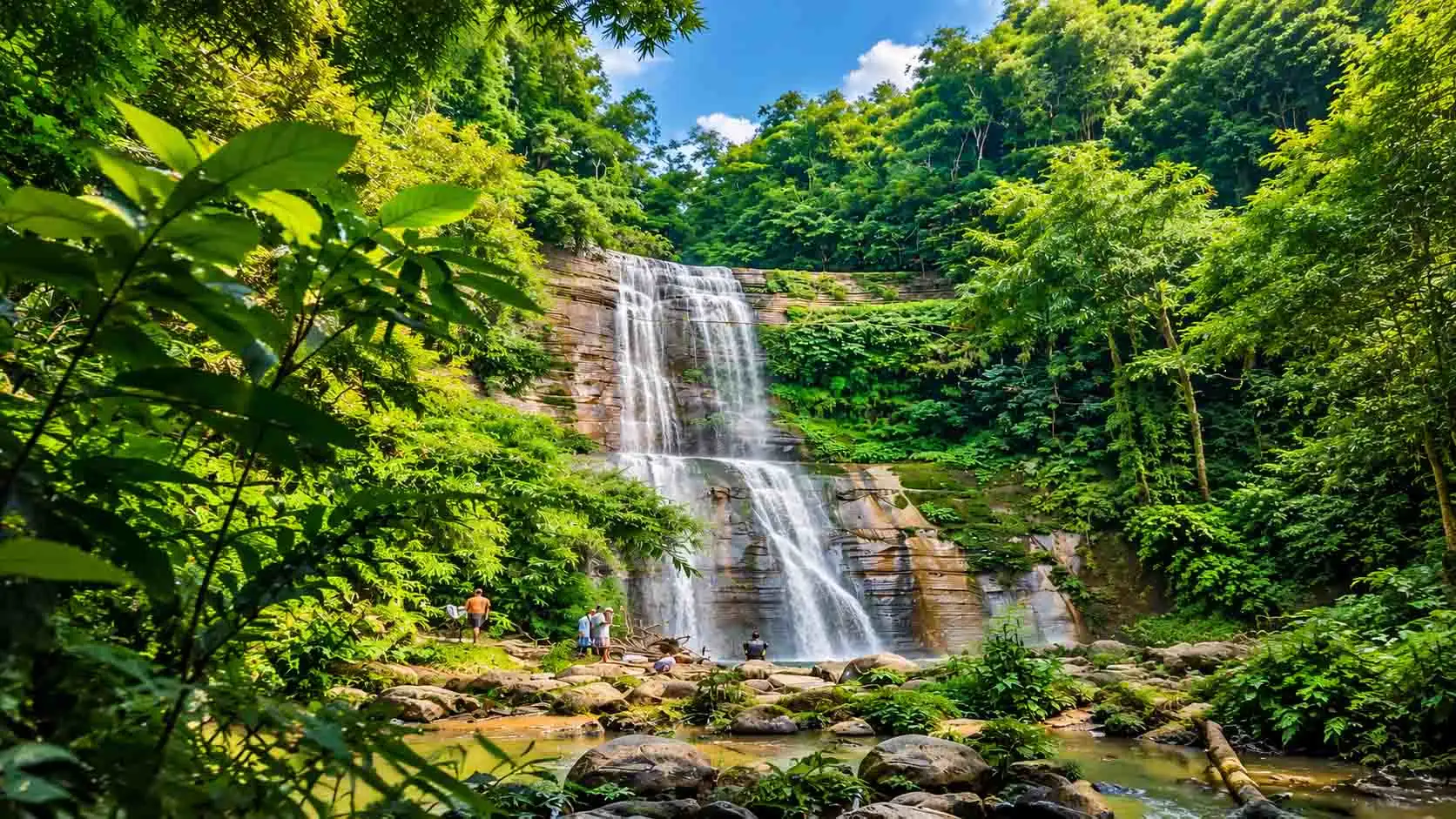
Over four days, you'll walk through working tea estates where pickers are still out at dawn, sit down to learn how Srimangal's signature layered tea is actually built, glass by careful glass, and spend a morning inside Lawachara National Park listening for gibbons and watching for hornbills. There's one proper adventure built into the middle of the trip too: a hike out to Hum Hum Waterfall, a genuinely remote trail through bamboo and stream-crossings that ends at a waterfall most visitors to Bangladesh never even hear about.
This isn't a trip built for ticking off landmarks quickly. It's slower than that, and that's rather the point. Between the tea, the forest, and the wetlands of Baikka Beel, four days here feels like a different country than the Dhaka you flew into.
Roam Bengal tip: this stays a small group by design, one to four guests, so the pace bends around what you actually want to linger over.

The journey out starts early, with the countryside shifting from city sprawl to open fields as you head toward Srimangal. Once you've checked in and had lunch, the afternoon is for wandering the tea estates themselves, past neat rows of bushes and the occasional pineapple or lemon grove tucked between them. As evening settles in, the day closes at Nilkontho Tea Cabin for the original seven-layer tea, each band of the glass holding a completely different flavour stacked by density rather than mixed.
This is the adventure day. After breakfast, a short ride brings you to the trailhead near Bon Kola Para, and from there it's on foot into genuinely remote forest, bamboo groves, stream crossings, and uneven ground that tests your footing more than once. A few hours in, the trail opens up at Hum Hum Waterfall itself, cold spray in the air and a pool below that's fair game for a swim if you're up for it. Lunch out here is simple, mostly fruit and packed snacks, before the walk back. Most people sleep well that night. Trekking poles or a solid walking stick genuinely help on the muddier stretches.
An early start gets you into Lawachara National Park while the forest is still waking up, which is exactly when the hoolock gibbons are most likely to call out from somewhere in the canopy. The loop trail runs for a few hours, with a decent chance of spotting leaf monkeys, hornbills, and other birdlife along the way. Around midday, there's a pause at a small settlement bordering the park, a chance to see how households here get by and where handloom work fits into their routine. By late afternoon, the day moves to Baikka Beel, where the water sits calm enough to reflect the sky in its entirety. Jacanas balance across floating leaves, and if you're visiting in winter, the wetland fills up with migratory ducks passing through.
There's no rush on the last morning. A relaxed breakfast, maybe one more short walk through the estate grounds if you're not ready to leave yet, and then the trip back to Dhaka, either by train or private car depending on the day's schedule.
🚂Train Schedule – certain weekdays don't have a matching train in one direction, in which case the whole trip runs by private car instead; nothing changes about what's included.
🌿Best Season – the tea bushes are at their most vivid and actively harvested between April and November; the cooler stretch from November to March trades that visual peak for clearer skies better suited to trekking and birdwatching.
🥾The Hum Hum Trail, Honestly – this is a real trail, not a paved path. Expect steep and uneven ground, mud after rain, no phone signal, and no shops along the way. During the wetter months, leeches show up on this trail often enough that it's worth having proper repellent and shoes that fully cover your feet.
🏨Accommodation Standard – upscale by local standards, with air conditioning, hot water, and western toilets in Srimangal itself.
🎒What to Pack – a headlamp, insect repellent, a hat, sunscreen, sturdy hiking shoes, a light jacket if travelling in winter, and rain gear if visiting between June and August.
💳Money Matters – not all ATMs in the area accept foreign cards, so carrying some cash as backup is worth doing.
⏰Built Around Wildlife Timing – dawn treks and golden-hour stops planned around when nature actually shows up
👥Genuinely Small Groups – better sightings, real conversations, no shopping stops wasting your time.
🌿Respectful Community Access – visits to Khasi and Manipuri villages done thoughtfully, not as a spectacle
🚆Logistics That Actually Work – train when it helps, car when it doesn't, no fuss either way.
🧭Guides Who Care About the Details – safety, local knowledge, and storytelling all handled well.
Uncover Bangladesh’s coastal gem! Explore majestic green hills, historic ship-breaking yards, serene beaches, and vibrant port culture with expert guides. Reserve your private port city escape!
Step into a time machine! From Mughal forts in Old Dhaka to the modern pulse of New Dhaka, ride colorful rickshaws, cruise the Buriganga River, and savour authentic street food. Book your ultimate Dhaka day tour today!
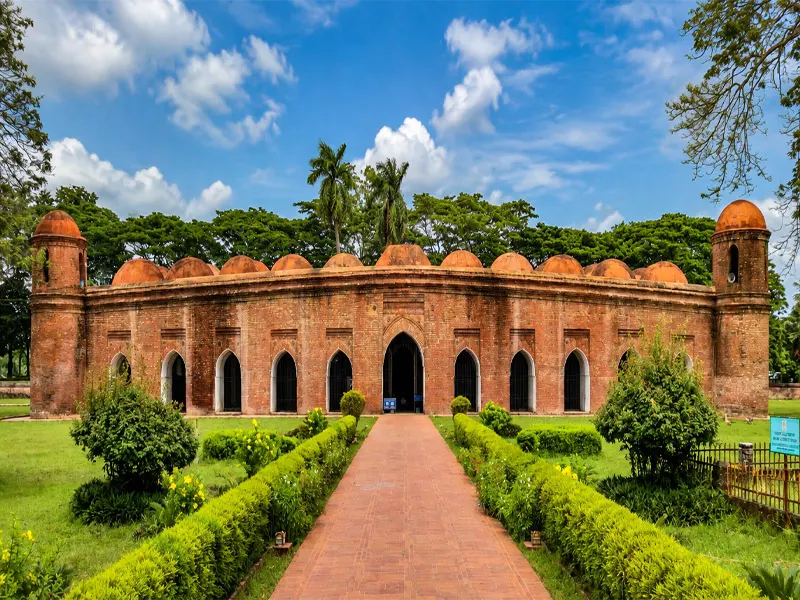
From the Sultanate-era stones of Bagerhat to the tangled waterways of the Sundarbans, this is southern Bangladesh at its most untouched—where forests, folklore, and forgotten history still live side by side.